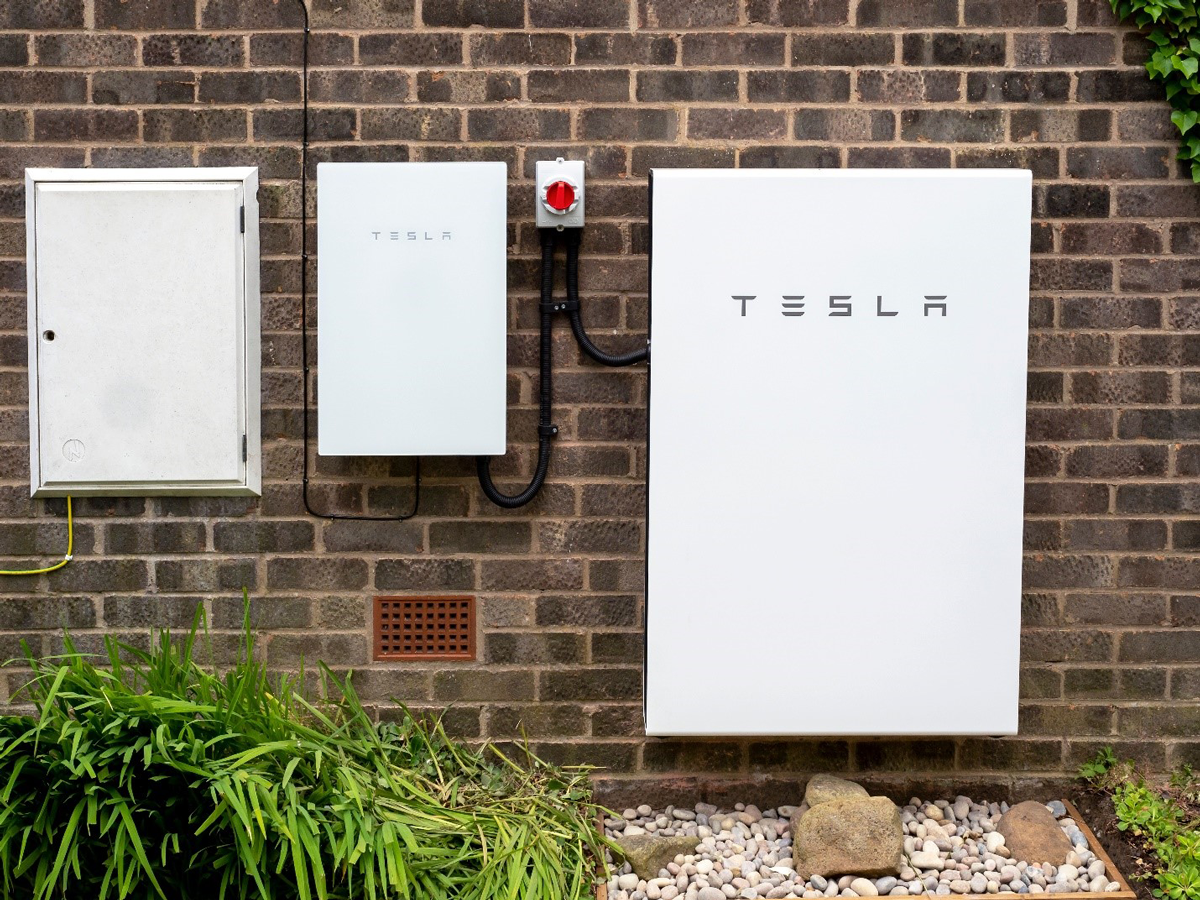
Florida is known for two things: endless sunshine and intense hurricane seasons. For homeowners who have already made the switch to clean energy—or those currently exploring residential solar—adding a battery system is often the next big question.
But with initial costs running into the thousands, you have to ask yourself: Is solar battery storage in Florida actually worth the investment?
The short answer is: it depends entirely on what you want to get out of it. If your primary goal is maximizing daily utility bill savings, a battery might not make sense for your budget right now. However, if your goal is protecting your home and family with true storm resilience during a severe blackout, it is one of the single best investments you can make for long-term peace of mind.
Let’s dive into the financial realities, the engineering benefits, and how to determine if battery storage is the right fit for your Florida home.
Calculate the Financial Reality
To figure out if the numbers work for your household budget, you need to weigh the upfront installation costs against the long-term return on investment (ROI).
A standard residential battery system ranges from 10 kWh to 13.5 kWh of capacity. Here is how the actual out-of-pocket costs break down when you factor in federal and state incentives:
| Cost Component | Approximate Amount | Notes |
| Upfront Base Cost | $15,000 – $20,000 | Standard 10 kWh to 13.5 kWh unit (fully installed) |
| Federal Tax Credit (ITC) | -$4,500 – -$6,000 | 30% reduction applied to your federal tax liability |
| Florida State Incentives | Sales & Property Tax Exempt | Save 6% upfront; no added property tax on home value |
| Net Out-of-Pocket Cost | $10,500 – $14,000 | Final cost to integrate storage with solar panels |
While saving thousands through the federal tax credit and local tax exemptions helps lower the barrier to entry, the mathematical payback period remains a challenge for energy storage.
Why the Financial Return is Low in Florida
If you look strictly at the numbers, adding a battery to a rooftop solar array extends your payback window significantly. There are two main reasons for this:
1. 1:1 Net Metering Acts as a Free Virtual Battery
Florida law currently requires investor-owned utilities to buy your excess solar energy at full retail rates. When your panels produce more electricity than your home needs during the day, that extra power flows back into the grid, turning your utility meter backward. At night, you pull power back from the grid at that same exact rate. Because the grid essentially acts as a free virtual battery, storing that power yourself in a physical device does not add extra financial value to your daily utility bills.
2. The Payback Window Outlasts the Warranty
A standalone rooftop solar system in Florida typically pays for itself in roughly 7 to 9 years through direct utility bill savings. However, when you add the cost of a physical battery, that combined system payback period pushes past 15 years. Because most high-quality lithium-ion home batteries come with a standard 10-year warranty, the system may require a replacement component before it has completely paid for itself in day-to-day electricity savings.
Evaluate the Resilience Value (The Real Benefit)
If the daily financial savings are minimal, why are so many Florida homeowners installing batteries? The answer is simple: emergency preparedness. When severe tropical storms and hurricanes roll through the Sunshine State, a battery transitions your home from a standard grid-tied house into an independent energy fortress.
Automated Storm Backup
When a hurricane knocks down power lines, a standard solar system cannot keep your lights on. For safety reasons, standard solar panels are legally required to shut down during a blackout to prevent sending live electricity down the lines where utility crews are working.
When you add a battery, the system instantly isolates your home from the disabled grid (a process called islanding). The switch happens seamlessly in milliseconds. While your neighbors are left in the dark, your battery keeps your essential loads running smoothly:
- Refrigerators and freezers to preserve food
- Critical medical equipment and CPAP machines
- Interior lighting and home security systems
- Wi-Fi routers and device charging stations to stay connected
Continuous Recharging Capabilities
Unlike a traditional backup option that eventually runs out of juice, a solar-plus-storage system creates a self-sustaining microgrid. During a multi-day grid failure, your solar panels will wake up every morning, power your home’s immediate needs, and use the excess sunlight to completely recharge the battery for the upcoming night. As long as the sun rises, you have a continuous loop of clean power.
Zero Maintenance vs. Traditional Generators
For decades, gas or diesel generators were the default choice for storm backup in Florida. But they come with major logistical headaches. Generators require you to store volatile fuel safely, handle regular engine maintenance, and contend with loud engine noise and dangerous exhaust fumes. Solar batteries are completely silent, fully automated, and emit zero fumes, making them a safer and cleaner alternative for neighborhood settings.
A Hedge Against Future Policy and Rate Changes
While the immediate financial ROI is lower than the resilience value, buying a battery now can serve as a valuable financial shield against upcoming utility adjustments.
Rising Utility Rates
Major Florida utilities, including Florida Power & Light (FPL), have rolled out multi-year rate hikes that take effect through 2029. As your baseline electricity rates climb higher over the next few years, the power you harvest and store yourself becomes more valuable, slowly accelerating the economic value of your system.
Net Metering Threats
Although current 1:1 net metering laws remain steady in Florida following historic legislative vetoes, utility companies consistently lobby lawmakers to reduce solar buyback rates. If net metering rules drop below the current 1:1 retail structure in the future—similar to what happened with California’s NEM 3.0 transition—owning a home battery will instantly shift from a resilience luxury to a financial necessity for keeping your solar savings intact.
Determine if It Is Worth It For You
At SunPower Systems, we believe in looking at the practical realities of your property and household priorities rather than making a one-size-fits-all promise.
You can likely skip the battery if:
- You live in an area with a highly stable underground grid.
- Your neighborhood rarely experiences long storm outages.
- Your only goal is achieving the fastest possible solar payback period.
The investment is absolutely worth it if:
- You want to avoid the logistical hassle, noise, and fueling demands of emergency generators.
- You need to guarantee uninterrupted power for essential appliances or medical needs during hurricane season.
- You prioritize home resilience, safety, and long-term peace of mind over pure short-term financial profit.
Tailor a Pathway for Your Home
Every home has a unique layout and different energy requirements. To help us outline a clear, practical next step for your energy storage pathway, consider these details:
- What utility company serves your home? (e.g., FPL, Duke Energy, TECO)
- What major appliances do you need to power during a blackout? (e.g., refrigerator, medical equipment, central AC vs. window units, well pumps)
By clarifying these goals, you can easily map out exactly how much capacity you need to keep your home safe.