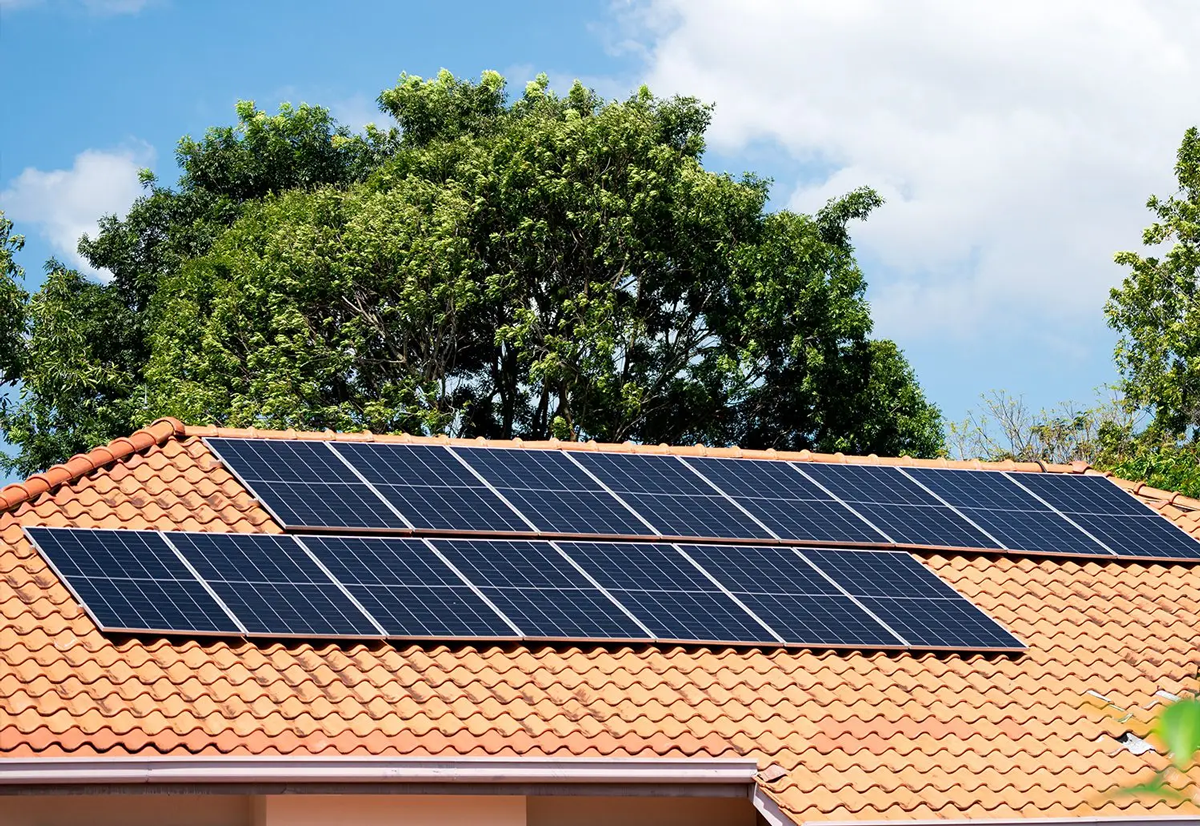
Investing in residential solar panels is one of the smartest decisions a Florida homeowner can make to combat rising energy costs and take control of their power bills. However, the exact environmental factors that make the Sunshine State a paradise for solar energy – intense heat, coastal proximity, and heavy seasonal shifts – also present distinct challenges for solar hardware.
While modern solar panel systems are incredibly durable and built to last for decades, they are not completely “set it and forget it.” To maximize your system’s efficiency and ensure you achieve the highest possible return on investment (ROI), a localized care strategy is essential.
This comprehensive guide breaks down everything you need to know about maintaining your solar panels under Florida’s unique environmental conditions.
The Realities of the Florida Climate: Environmental Challenges
Many homeowners assume that Florida’s frequent, heavy downpours are enough to keep their solar arrays pristine. While rain does a decent job of rinsing away loose surface dust, it simply cannot dissolve the sticky, stubborn grime layers unique to our region.
To keep your system operating at peak performance, you should plan a dedicated deep cleaning twice a year – specifically at the tail end of the spring pollen season and right before the autumn hurricane season begins.
Here are the three primary environmental factors working against your solar efficiency in Florida:
1. Sticky Spring Pollen and Dust
Every spring, oak, pine, and palm trees release massive blankets of yellow pollen. When combined with light morning humidity, this pollen creates a sticky, highly adhesive film across the glass surfaces of your panels. This film acts like a tint, scattering sunlight and significantly dropping your system’s daily kilowatt-hour (kWh) generation.
2. Crusty Coastal Salt Spray
If your home is located anywhere near Florida’s lengthy coastline, your roof is subject to airborne salt spray. As salt water evaporates on the hot glass surfaces of your array, it leaves behind a crusty, mineralized layer. Not only does this salt layer dim incoming light, but if left unmanaged, it can accelerate the degradation of exposed metallic racking and fasteners.
3. Concentrated Bird Droppings (Hot Spot Risks)
Florida is home to a dense population of coastal and migratory birds. While an occasional dropping might seem minor, dried bird droppings create a severe issue known as “hot spots.” Because the dropping completely blocks out light to a specific solar cell, that individual cell stops producing energy and instead acts as a resistor. This causes the cell to heat up drastically, which can permanently degrade local cell performance or crack the protective glass cover.
Step-by-Step DIY Cleaning Method
Cleaning your own solar panels is entirely doable and straightforward, provided you prioritize your physical safety and follow correct procedures to protect your manufacturer warranty. If your panels are easily accessible on a single-story roof or ground mount, follow this exact step-by-step methodology:
1.Time It Right:
Early Morning or Late Afternoon.
Only clean your panels when they are cool to the touch. Spraying cold hose water onto blazing-hot solar glass in the middle of a 90°F Florida afternoon can cause immediate thermal shock, shattering the tempered glass and voiding your warranty.
2.Power Down the System:
Safety First.
Before introducing any water to the roof environment, safely turn off your entire solar system. Locate your main AC disconnect switch (usually a large handle near your main electrical meter pane) and flip it to the “OFF” position.
3.Execute a Pre-Rinse:
Clear Abrasive Debris.
Gently spray down the array using a standard garden hose equipped with a multi-spray nozzle. This washes away loose sand, grit, and debris. Never – under any circumstances – use a high-pressure power washer. High pressure will destroy the delicate rubber seals and silicone laminates holding the panels together.
4.Scrub Gently:
Soft Microfiber Only.
Use a telescoping pole fitted with a soft microfiber cloth, a specialized solar wash sleeve, or a non-abrasive sponge. Dip it into a bucket of lukewarm water mixed with a mild, biodegradable dish soap. Gently wipe the glass surfaces down to lift baked-on pollen and bird droppings. Never use harsh chemical cleaners, abrasives, or steel wool.
5.Rinse with Pure Water:
Prevent Water Spotting.
Thoroughly rinse all soap residue away. Because much of Florida’s municipal and well water is incredibly “hard” (heavy with calcium and magnesium minerals), standard tap water can leave behind cloudy white spots. For the final rinse, use a water-softening hose filter or a portable tank of distilled water to ensure a crystal-clear finish.
6.Natural Air Dry:
Zero Physical Weight.
Allow the panels to dry naturally under the open air. As you work, never step, sit, lean, or put any body weight directly on the glass surfaces, as this can introduce invisible micro-fractures into the silicon solar cells.
Hurricane Preparedness and Response
Florida building codes demand that engineered solar mounting systems withstand extreme hurricane-force winds. However, flying airborne debris and the natural loosening of hardware over time remain serious risks during major tropical storms. Protection requires a proactive approach.
Pre-Storm Inspections and Documentation
Don’t wait for a tropical storm warning to look at your roof. Conduct a quick structural inspection of your solar array quarterly. Look for any visibly loose bolts, shifting panels, or rusted mounting brackets.
Equally important is documentation: take clear, high-resolution, dated photographs of your entire solar footprint from multiple angles right before the start of hurricane season (June 1st). If a storm does bring flying debris across your roof, having clear “before” photos makes filing a homeowners insurance claim drastically simpler.
Post-Storm Safety Check
Once a storm passes and it is safe to step outside, perform a visual check from ground level. Look closely for shattered glass, dislodged wiring harnesses, or panels that look unaligned.
Critical Safety Warning: If you see any dangling wires or exposed copper beneath the array, do not touch them under any circumstances. Damaged solar systems can still hold thousands of volts of live DC electricity even if the utility grid is completely down. Call a certified professional immediately.
Managing Storm-Related Re-Roofing
If an intense storm damages your shingles or metal roofing to the point where a full roof replacement is required, you must coordinate with certified professionals. You cannot allow a standard roofing crew to yank or mishandle the solar equipment. Certified solar technicians must be hired to carefully handle the physical detachment, safe storage, and precise resetting of your solar array to maintain structural and electrical warranties.
Performance Tracking & Component Health
While physical cleaning is vital, monitoring the internal health of your system is what ensures long-term reliability.
It’s helpful to know that Florida’s extreme summer heat actually causes a minor, normal drop in peak energy output relative to clear spring days due to a physical property called the temperature coefficient. However, sudden, sharp drops in production are a clear red flag.
- Monitor Your Inverter App Weekly: Get into the habit of logging into your solar system’s monitoring application (such as Enphase or SolarEdge) once a week. Because modern systems use microinverters or power optimizers, the app will explicitly show you if a single panel is underperforming compared to its neighbors.
- Trim the Surrounding Canopy: Florida’s tropical foliage grows at an astonishing rate. Perform an annual trimming of nearby tree branches to eliminate new morning or afternoon shading zones that may have crept over your roof over the past year.
- Install Pest Abatement Guards: Local squirrels, roof rats, and birds love the shaded, protected microclimate underneath a solar array. Unfortunately, rodents love to chew through structural wiring insulation. Installing a dedicated mesh “critter guard” around the entire perimeter of your solar array is a highly effective way to prevent costly wire damage.
Solar Maintenance Schedule Overview
To keep your system running like a well-oiled machine, keep this quick reference maintenance schedule handy:
| Frequency | Task | Focus Area |
| Weekly | App Production Monitoring | Catch individual panel drop-offs or communication faults early. |
| Biannually | Deep Cleaning | Clear away baked-on spring pollen and crusty coastal salt deposits. |
| Annually | Landscaping & Canopy Trim | Eliminate creeping shadow zones from fast-growing Florida trees. |
| Every 3 Years | Professional System Inspection | Certify electrical bonds, inspect inverter health, and check mount torque. |
If your roof line is unusually high, steep, or complex, do not put yourself in danger. Avoid the personal safety hazard and rely on certified regional maintenance solutions to execute the work safely.
Define Your Next Solar Move
Whether you are looking to design a highly resilient residential solar-plus-storage system to ride out the next hurricane season, or you need expert guidance navigating your property’s solar pathway, SunPower Systems is here to help you scale your energy goals to your exact context.
Based out of Miami, we provide clear, localized insight across Florida to ensure your home transitions to clean energy seamlessly and securely.