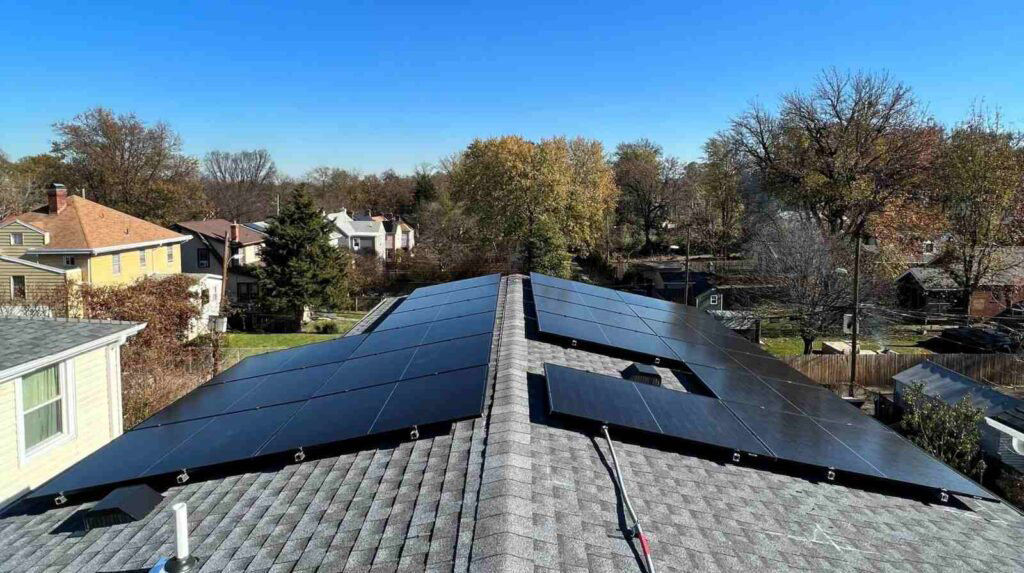
Florida is famous for its punishing summer heat and intense humidity. For homeowners across the Sunshine State, keeping the house comfortable means running the air conditioning almost non-stop, leading to massive electric bills. Because our state receives an abundance of intense sunlight year-round, converting to residential solar power has transitioned from an eco-friendly choice to a highly tactical financial strategy.
If you are looking to cut down your monthly expenses, a primary question likely stands out: How much money can solar panels actually save you in Florida?
On average, Florida homeowners save between $24,000 and over $30,000 over the 25-year lifespan of a standard solar panel system. However, realizing these gains requires understanding the initial investment, local tax incentives, and a few long-term operational factors specific to the Florida market.
Estimating the Financial Breakdown
Every home has a unique energy footprint. Your actual return on investment (ROI) depends on three main variables: your total baseline electricity consumption, the directional orientation of your roof, and the overall sizing of your system.
Because Florida properties experience heavy, continuous air conditioning draw, small systems rarely cut it. Most local residents require a system sized between 9 kW and 11.5 kW to effectively offset their utility dependence.
The baseline visual below outlines the core financial metrics for a standard residential installation in the state:
| Financial Metric | Average Florida Estimate |
| Monthly Bill Reductions | $150 – $170 saved per month |
| Annual Utility Savings | $1,800 – $2,000 saved per year |
| Upfront Cost (Net) | $15,900 – $20,300 after tax credits |
| Payback Period | 7 to 9 years |
| 25-Year Lifetime Savings | $24,500 – $30,000+ net savings |
Given a payback period averaging 7 to 9 years, a system operating over a 25-year standard lifespan functions as a regular revenue generator for the remaining 16 to 18 years, shielding your household budget from unpredictable utility rate hikes.
Leveraging Incentives, Tax Exemptions, and Rebates
Transitioning to solar involves significant upfront equipment and labor costs. Fortunately, a combination of federal programs and Florida state statutes directly minimizes these initial implementation expenses.
1. File for the Federal Incentive
By purchasing a system, you can claim the 30% Residential Clean Energy Credit. This allows you to deduct 30% of your total equipment, structural engineering, and installation costs directly from your federal income tax liability. If your tax liability is lower than the credit value in year one, the remaining balance rolls over into subsequent tax years.
2. Protect Your Property Assessment
Adding a solar array increases a property’s market value. Normally, home upgrades trigger a higher municipal property valuation, leading to increased annual property taxes. However, Florida’s Property Tax Exemption explicitly dictates that the added capital value of a residential renewable energy system cannot be included in your property assessment. You get a more valuable home without paying an extra dime in property taxes.
3. Waive State Sales Tax
Purchasing solar equipment is also protected at the register. The Solar Energy Systems Sales Tax Exemption eliminates Florida’s standard 6% sales tax on all qualifying solar energy components. This savings applies automatically at purchase, instantly cutting thousands off your out-of-pocket setup costs.
4. Earn Bill Credits via Net Metering
Florida features statewide net metering policies that turn your home into a micro-power plant. During peak afternoon hours, your solar array will frequently produce more electricity than your home consumes.
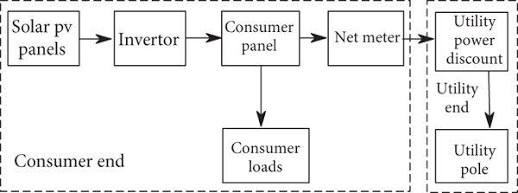
This surplus power flows backward through a bidirectional net meter and out into the public utility grid. Your utility provider is legally required to credit you for this power at a 1:1 ratio, allowing you to use those accumulated daytime credits to offset the electricity you pull from the grid at night.
Assessing Key Long-Term Blindspots
While the broad financial benefits are clear, a realistic savings plan requires accounting for local structural and regulatory realities. Ignoring these blindspots can lengthen your payback timeline.
Utility Connection Fees
Even if your solar system produces 100% of the energy your home uses over a month, your utility bill will not drop to zero. Major Florida utility providers (such as Florida Power & Light [FPL] or Duke Energy) charge a mandatory base connection fee to remain tied to the grid. Expect a fixed monthly charge ranging from $15 to $30 regardless of your net energy consumption.
Insurance Premium Changes
The size of your solar array can alter your recurring homeowners insurance obligations. Florida utility regulations divide solar arrays into distinct tiers. Systems up to 11.75 kW fall under Tier 1, which generally integrates smoothly into standard policies.
However, if your energy needs require a system over 11.75 kW (designated as Tier 2), utility companies mandate that you carry a $1 million personal liability insurance policy before they will allow you to hook up to the grid. This added requirement can cause your insurance provider to raise your premiums, marginally impacting your annual net savings.
Roof Condition Lifespans
Solar panels are highly durable, easily operating for 25 to 30 years. If your home’s roof is over 15 years old, it is financially vital to handle any necessary roof replacements before starting your solar installation.
If you install a solar array over an aging roof, you will eventually have to pay a solar technician to detach the panels, store them safely during the roof replacement, and reinstall them afterward. This logistical process can cost an extra $3,000 to $5,000, altering your initial ROI calculations.
Designing a System for the Long Haul
Maximizing your return requires a system engineered for Florida’s specific climate conditions. Panels must be securely mounted to withstand high wind zones, and string or micro-inverters must be configured to optimize production even during shifting afternoon cloud cover. Partnering with seasoned professionals ensures your system complies with all Tier 1 guidelines to avoid unnecessary insurance hikes while optimizing your net metering returns.
To discover more about customizing an installation for your property, explore our professional engineering options through our comprehensive Solar Services Guide.