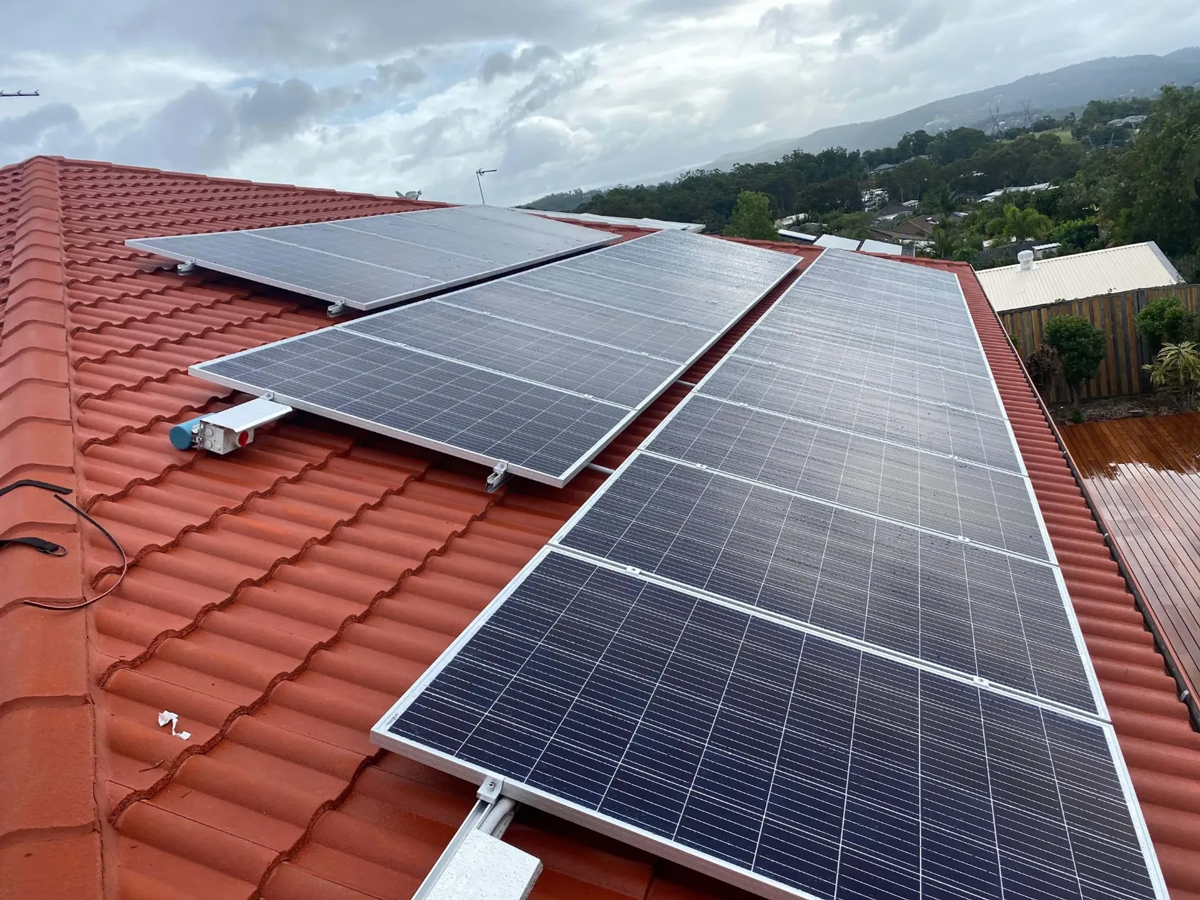
With an average of over 250 sunny days per year, Miami is one of the most geographically blessed locations in the United States for residential solar energy. Transitioning your home to solar power isn’t just an environmentally conscious choice—in South Florida’s high-heat environment, it is a highly strategic financial move.
However, deploying solar panels in Miami involves navigating distinct regional challenges. From strict hurricane building codes to specific municipal permitting pathways, going solar here requires localized planning. This comprehensive guide breaks down the real costs, financial returns, structural regulations, and step-by-step processes for installing residential solar panels in the Magic City.
1. The Financial Outlook: Costs vs. Long-Term Savings
Making the switch to clean energy requires looking at both the upfront installation costs and the long-term utility dividends. Because air conditioning units run nearly year-round in South Florida, the return on investment (ROI) for Miami homeowners accumulates faster than in many other parts of the country.
Average Setup Costs in Miami
Solar pricing is measured by the cost per watt. The current baseline metrics for the Miami metropolitan area reflect the following:
- Average Cost Per Watt: $2.30
- Typical System Size: 15.59 kW (kilowatts)
- Average Gross Cost: $35,857 before applying incentives
- Price Distribution: Most residential installations range between $30,478 and $41,236, depending on roof complexity, layout design, and equipment choices.
Cumulative Utility Savings
While the initial investment requires careful planning, the long-term offsets are substantial. Over a standard 25-year operational lifecycle, a typical Miami homeowner saves an average of $53,427 on utility expenditures. These savings act as a permanent hedge against rising fossil-fuel electricity rates.
2. Miami-Specific Regulations & Hurricane Standards
South Florida’s vulnerability to extreme weather events means that structural integrity is paramount. You cannot install just any off-the-shelf solar racking system on a Miami roof. The hardware must meet strict local building codes designed to safeguard property and life.
High-Velocity Hurricane Zone (HVHV) Compliance
Miami-Dade County forms the core of Florida’s High-Velocity Hurricane Zone (HVHZ), which dictates some of the most stringent wind-resistance engineering standards in the world.
Every single mounting bracket, rail, and racking component installed on your home must carry a verified Florida Product Approval or a Miami-Dade Notice of Acceptance (NOA). These certifications prove that the engineering designs have undergone rigorous wind-tunnel testing and are structurally guaranteed to withstand Category 5 hurricane-force winds exceeding 160 mph.
The 33% Spatial Safety Rule (Fire Code Constraints)
Local fire and structural codes impose spatial limitations on how panels cover your roof. If a residential solar array covers more than 33% of the roof’s total plan-view area, specific safety constraints are triggered:
- The system must maintain a minimum 36-inch clear setback from the roof’s ridge line (the peak).
- This empty border ensures that emergency services and firefighters have adequate ventilation access and walking pathways across the roof during an emergency.
3. Local Incentives and Net Metering Policy
While Florida does not feature state-level cash-back rebates, the state protects and incentivizes your solar investment through targeted tax exemptions and grid policies.
- 100% Property Tax Exemption: Under Florida statute, adding a solar array increases your home’s equity, but that added structural value is legally exempt from residential property taxes. Your home value goes up, but your tax bill stays the same.
- Sales Tax Exemption: All core solar energy equipment—including modules, inverters, and racking systems—is completely exempt from Florida’s 6% state sales tax.
- FPL Net Metering: Florida Power & Light (FPL) provides grid-tied net metering for local homeowners. When your high-durability monocrystalline panels generate more electricity during peak daylight hours than your home consumes, the excess power flows directly back into the local grid. FPL credits your account for this surplus generation, driving down your subsequent monthly utility bills.
4. The 4-Step Pipeline to Going Solar in Miami
Transitioning your property to solar power relies on an ordered, multi-step engineering and verification pipeline. Skipping or misordering these steps can lead to failed code inspections or utility activation delays.
1.Structural and Shade Evaluation:
Prerequisite Verification.
Before any hardware is ordered, your roof’s baseline health must be evaluated. Because solar panels operate efficiently for 25 to 30 years, an aging roof that requires replacement within the next decade must be replaced before installation. Installers use advanced data tracking tools like Google’s Project Sunroof alongside local sun-hour models to flag shading caused by palm trees or adjacent structures.
2.Engineering Designs and City Permitting:
Compliance Approvals.
Your installer submits an explicit structural application package to the local building department. For residential systems valued under $50,000, licensed contractors can process the designs directly. The compliance packet must include a comprehensive roof plan layout, electrical riser diagrams matching National Electrical Code (NEC) Article 690, and certified wind uplift pressure calculations (ASCE-7 compliance markers). Residential projects within city limits use the centralized City of Miami Solar Portal for expedited solar permits.
3.Array Installation:
Physical Deployment.
Once permitted, specialized field technicians anchor wind-certified racking hardware directly into the structural rafters of your roof. Space-efficient, high-durability monocrystalline panels are secured tightly to the racks and wired into a centralized string inverter or micro-inverter setup configured to optimize energy harvesting.
4.Utility Interconnection and Activation:
Grid Integration.
After physical construction concludes, municipal inspectors must sign off on the wiring infrastructure. For systems interacting with the grid, designers coordinate directly with FPL’s net metering division to confirm that the mandatory visible load-break isolation switches meet utility safety thresholds before the net meter is officially activated.
5. Finding the Right Miami Solar Partner
Choosing an experienced installation team is the most critical decision in your solar transition. You need an established provider that explicitly understands local wind loads, permitting channels, and residential roofing systems.
When looking at reputable local companies servicing the Miami metropolitan area, consider these options depending on your project needs:
- GC Solar and Electric (Miami, FL): Specializes in comprehensive, full-service residential engineering, navigating local city permitting systems, and crafting custom system layout designs.
- SOFLO SOLAR (Doral, FL): Focuses on new array advisory, long-term performance optimization, and providing technical maintenance or repair services for existing systems.
- Tiedsolar Corp (Miami, FL): Provides accurate roof load assessments, seamless residential deployment, and 24/7 continuous system performance monitoring.
- Eco green group (Aventura, FL): A trusted construction and electrical firm specializing in structural solar integrations and general residential electrical updates.
For homeowners exploring solar in South Florida, partnering with an expert team like Sun Power Systems ensures your residential array is engineered specifically for Florida’s climate. From navigating HVHZ compliance to maximizing your FPL net metering credits, professional design makes all the difference. Explore their expert commercial and residential solar solutions by visiting the Sun Power Systems Services Hub to learn how they build resilient, high-yield clean energy systems tailored to your property.
Tailor Your Solar Strategy
Every roof in Miami features unique angles, shading profiles, and structural variables. To help map out the ideal system configuration for your home, consider these core planning questions:
- What is the age and material of your roof? (e.g., asphalt shingle, concrete tile, or standing-seam metal?)
- What is your average monthly electric bill or kWh usage? (This determines the exact system size needed to offset your bill.)
- Are you interested in adding a battery backup system? (Essential for maintaining power to appliances and AC units during hurricane-induced grid outages.)
Evaluating these factors ensures your transition to solar energy provides maximum physical protection and maximum financial return for decades to come.