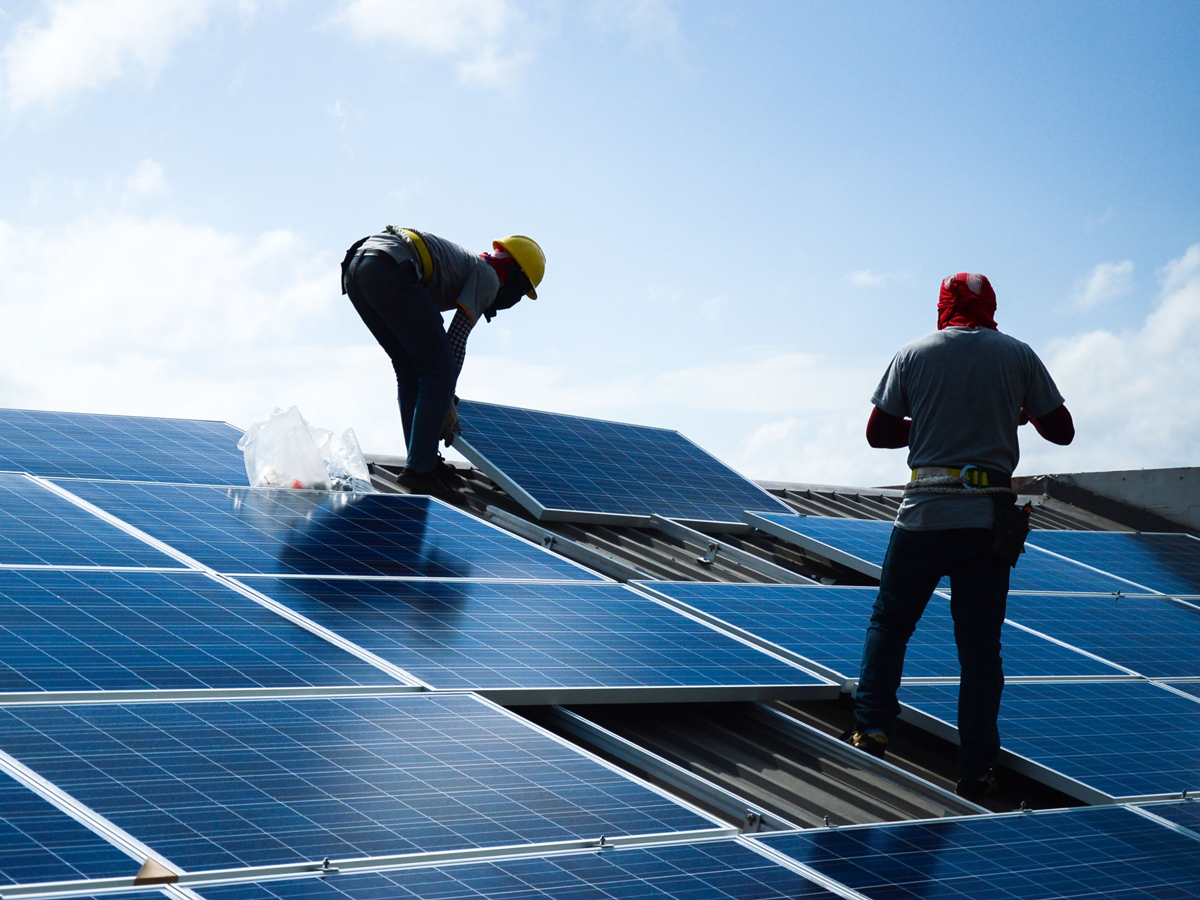
Going solar in South Florida is one of the smartest long-term investments you can make for your home. With our intense tropical sunshine, transitioning to clean energy can slash your electric bills while protecting your property from unpredictable grid failures.
However, switching to solar is a major 25-year financial and structural decision. Miami’s unique environment introduces severe weather challenges—including heavy humidity, intense salt spray, and extreme hurricane seasons—that demand specialized local expertise.
Furthermore, recent market volatility has left many Florida homeowners stranded with “orphaned” systems because their original installers went out of business. To ensure your investment pays off, you must know how to properly vet your provider.
This comprehensive guide breaks down exactly how to evaluate and choose the best solar company in Miami.
1. Verify Local Licensing and Credentials
Never hire a solar contractor that cannot immediately prove its legal status in the state of Florida. Because solar panels integrate directly into both your home’s electrical grid and its structural roof, proper credentials protect you from liability and ensure your system passes strict municipal inspections.
- Florida Certified Solar Contractor: Make sure the company holds an active license with the Florida Department of Business and Professional Regulation (DBPR). A valid state license proves the company has passed rigorous testing, meets financial stability standards, and carries worker’s compensation insurance.
- NABCEP Certification: Look for teams that employ installers certified by the North American Board of Certified Energy Practitioners (NABCEP). This designation represents the gold standard in technical training for the solar industry.
- Roofing Expertise: Solar mounts require piercing your roof structure. Working with an installer that either holds a Florida roofing license or partners with a reputable local roofing contractor prevents your existing roof warranty from being voided.
2. Demand Miami-Specific Climate Expertise
Miami’s tropical ecosystem poses distinct engineering challenges. National solar brands that use one-size-fits-all blueprints often miscalculate the structural upgrades required for coastal environments.
Hurricane-Force Wind Engineering
Miami-Dade County enforces some of the strictest building codes in the nation due to its status as a High-Velocity Hurricane Zone (HVHV). Your solar provider must utilize heavy-duty racking hardware and high-efficiency solar modules that are engineered and third-party tested to withstand wind speeds up to 175 mph.
Local Permitting and FPL Interconnection
Navigating the local bureaucracy can cause major headaches if your installer isn’t experienced in South Florida. The municipal permitting process through Miami-Dade County, followed by the grid interconnection approval process with Florida Power & Light (FPL), can take months if submitted incorrectly. Choosing an installer with a dedicated local project management track record ensures your project doesn’t get stuck in administrative limbo.
3. Vet the Labor and Warranty Structure
Hardware manufacturers guarantee that the panels will produce power, but your solar installer guarantees that the system won’t leak or damage your home. Understanding who is physically touching your roof is crucial.
In-House Crews vs. Subcontractors
Many solar sales organizations outsource the physical installation to third-party subcontractors to cut costs. This often leads to poor accountability and significant communication gaps if your system experiences technical issues later on. Always ask if the company utilizes its own employed, W-2 installation crews.
Workmanship Warranties and Financial Reserves
A quality Miami solar company will offer a comprehensive workmanship warranty lasting between 10 to 25 years. This warranty should explicitly cover roof leaks, loose wiring, and structural errors caused by the installation team.
Pro Tip: Ask potential providers if they budget a percentage of their revenue into a dedicated warranty service reserve. This financial cushion ensures that the company can afford to honor its long-term service agreements even during broader solar market downturns.
4. Compare Equipment Tiers and Performance Promises
A low price tag can be highly deceptive in the solar industry. Cheap, unbranded components deteriorate rapidly under the stress of South Florida’s relentless heat and extreme humidity. To ensure maximum efficiency, gather at least three distinct quotes and compare the hardware specifications.
Insist on Tier 1 Hardware
Confirm that your quotes feature Tier 1 solar panels from trusted global manufacturers like QCells, Silfab, or Maxeon. These brands should be paired with premium microinverters or power optimizers from market leaders like Enphase or SolarEdge. Microinverters are highly recommended for Miami properties, as they allow each panel to operate independently. If a single panel gets shaded by a stray palm tree or blocked by storm debris, the rest of your array will continue producing power at maximum capacity.
Production Guarantees
Your contract should contain an explicit, written performance guarantee. This terms sheet promises that your customized system will produce a set minimum amount of kilowatt-hours (kWh) of electricity annually. If the system fails to hit that benchmark due to equipment performance, the company should compensate you for the lost energy savings.
5. Review Financing Transparency and True Costs
The average solar system installation in Miami costs roughly $35,500 before accounting for federal or state incentives. Because of this substantial cost, you must review the fine print of your payment structure to avoid hidden fees or long-term property liens.
| Financing Type | Financial Ownership | Main Financial Benefit |
|---|---|---|
| Cash Purchase | You own the system outright immediately. | Fastest ROI; zero interest costs. |
| Zero-Down Loan | You own the system via monthly financing. | Retain 30% Federal Tax Credit ownership. |
| Lease / PPA | The solar developer owns the hardware. | Lower upfront cost, but no tax credits. |
Cash Purchases vs. Solar Loans
Paying cash yields the absolute fastest return on investment (ROI) because you completely bypass financing fees. However, if you prefer to preserve your cash flow, a zero-down solar loan allows you to secure ownership of the asset. Buying or financing your system means you can directly claim the 30% Federal Residential Clean Energy Credit, saving you thousands of dollars on your next federal tax return.
Beware of Solar Leases and PPAs
With a solar lease or Power Purchase Agreement (PPA), the solar company retains ownership of the equipment on your roof and pockets the 30% federal tax credit themselves. Furthermore, solar leases frequently attach a property lien to your home. If you decide to sell your property down the road, these liens can make it incredibly difficult for prospective buyers to qualify for a mortgage, dragging out your home sale.
Define Your Next Move with Sun Power Systems
At Sun Power Systems, located right here in Miami at 3551–3557 NW 79th Ave, we reject the high-pressure, cookie-cutter sales tactics that plague the solar industry. We believe that solar engineering must be tailored to the exact context of your property and your long-term household goals.
We walk homeowners through customized pathways for both high-performance residential solar arrays and advanced energy storage systems to keep your lights on during unexpected hurricane outages. Our team coordinates every step of the process—from the initial site discoverability phase to expert structural installation—ensuring your system complies perfectly with Miami-Dade’s rigorous building standards.
Ready to see what solar can do for your Miami home?
Let’s skip the generic sales pitch and look at your actual data. Contact our Miami office today to review:
- Your average monthly electricity bill or annual kWh consumption.
- The current age, style, and material of your roof (shingle, tile, or metal).
- Whether you want to integrate a dedicated battery backup system for seamless power during storm season.
We will provide you with a transparent, clear-cut timeline for your solar payback and a realistic look at your true energy savings potential.