FPL Tier 3 Interconnection Process: Complete Guide
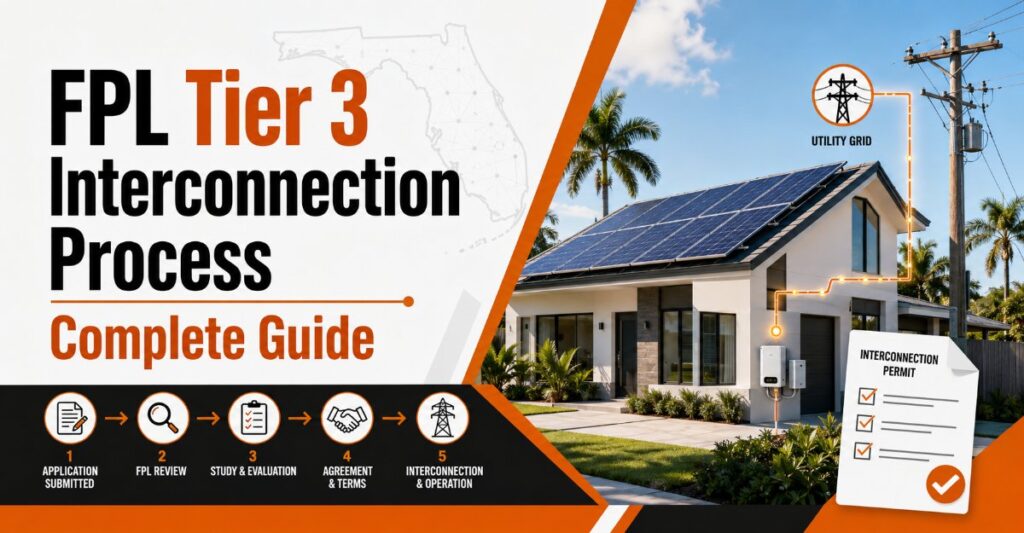
The Florida Power & Light (FPL) Tier 3 Interconnection Process is a formalized, highly regulated electrical grid-connection framework governing customer-owned renewable energy systems sized above 100 kW AC up to 2,000 kW AC (2 MW AC). This process ensures that large commercial, industrial, and agricultural distributed generation facilities synchronize safely with the local distribution network […]
Fixing Sol-Ark Communication Errors With Closed-Loop Batteries
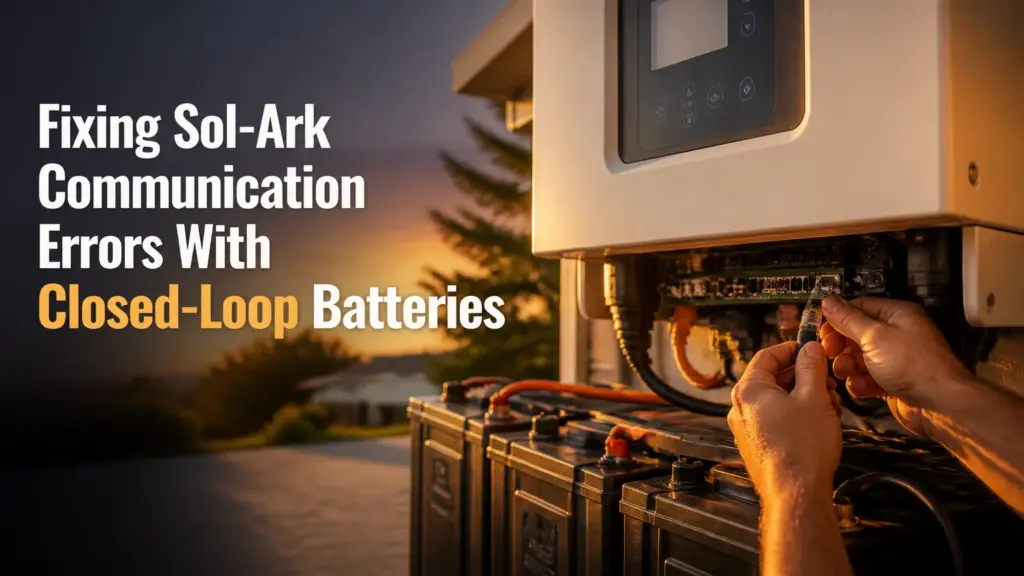
Fixing Sol-Ark communication errors with closed-loop batteries requires matching the battery’s protocol, port, cable pinout, addressing, and inverter settings. Start by identifying the exact Sol-Ark and battery models, then power down safely before testing wiring. A correct physical connection, compatible firmware, and matching lithium profile usually resolve BMS Lost and related communication faults. Key Facts […]
Tesla Powerwall Coolant Leaks: Warning Signs and Next Steps
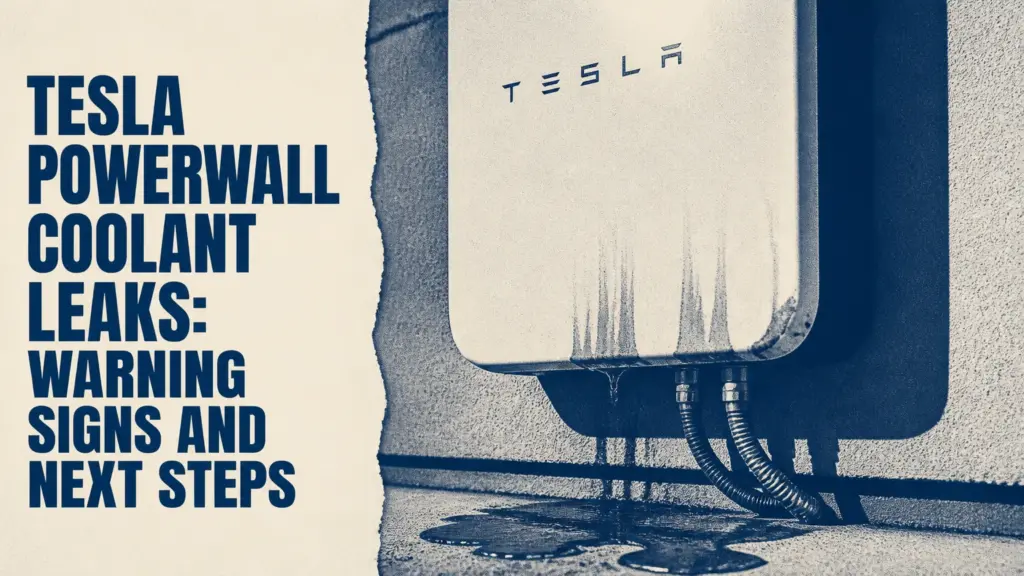
Tesla Powerwall coolant leaks usually appear as blue or blue-green fluid, dried residue, abnormal fan operation, thermal limits, or a Tesla app service alert. Stop treating the issue as routine maintenance if fluid is recurring, the enclosure is damaged, or the battery output is restricted. Document the evidence, use Tesla’s troubleshooting workflow, and arrange qualified […]
Troubleshooting Solar Grounding Wires Severed by Lawn Care Equipment
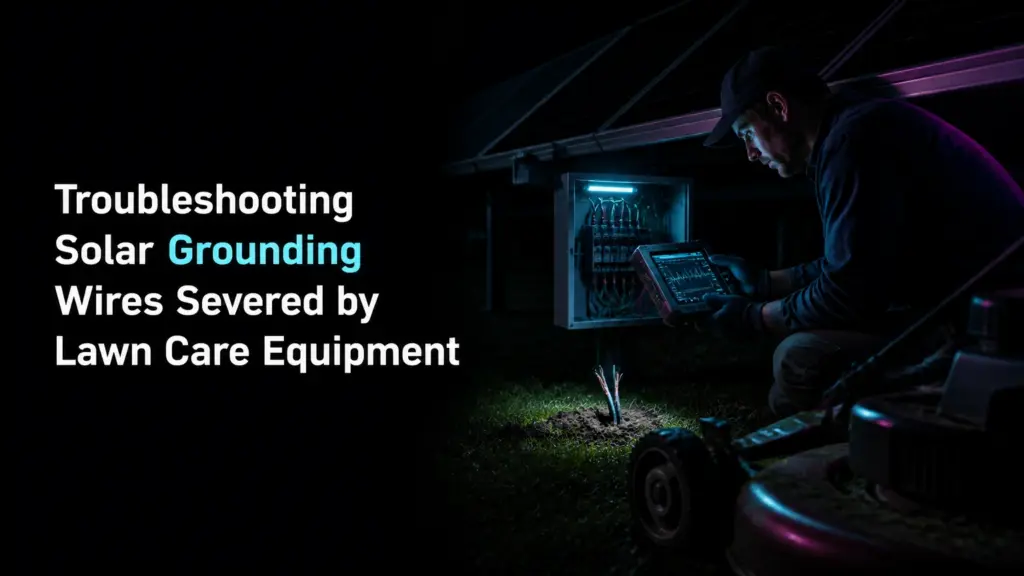
Troubleshooting Solar Grounding Wires Severed by Lawn Care Equipment requires immediate PV system isolation, identification of the damaged conductor, and a listed repair that matches the cable’s location and function. Do not assume the wire is deenergized after switching off an inverter. A qualified solar electrician should verify the system before anyone touches exposed conductors. […]
Powerwall Overloaded Error: Managing Backup Loads in a Florida Blackout
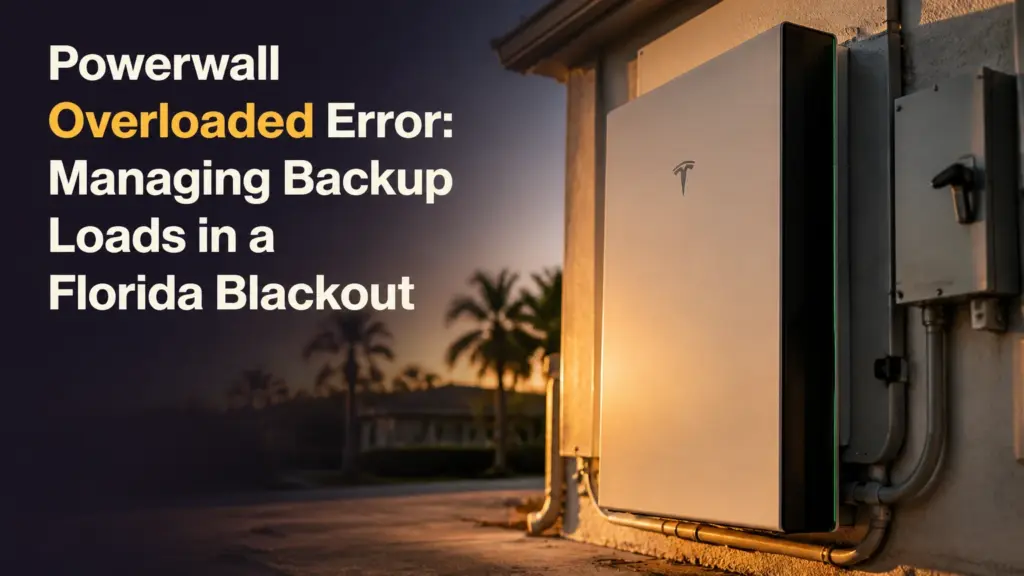
A Powerwall Overloaded Error means the isolated home is demanding more instantaneous electrical power than the Tesla Powerwall backup system can safely deliver. During a Florida blackout, central air conditioning, pool equipment, electric water heating, dryers, ovens, and EV chargers can combine running loads with motor-start surges and cause the backup system to disconnect. Key […]
How to Re-Torque Solar Mounts After Asphalt Shingle Settling
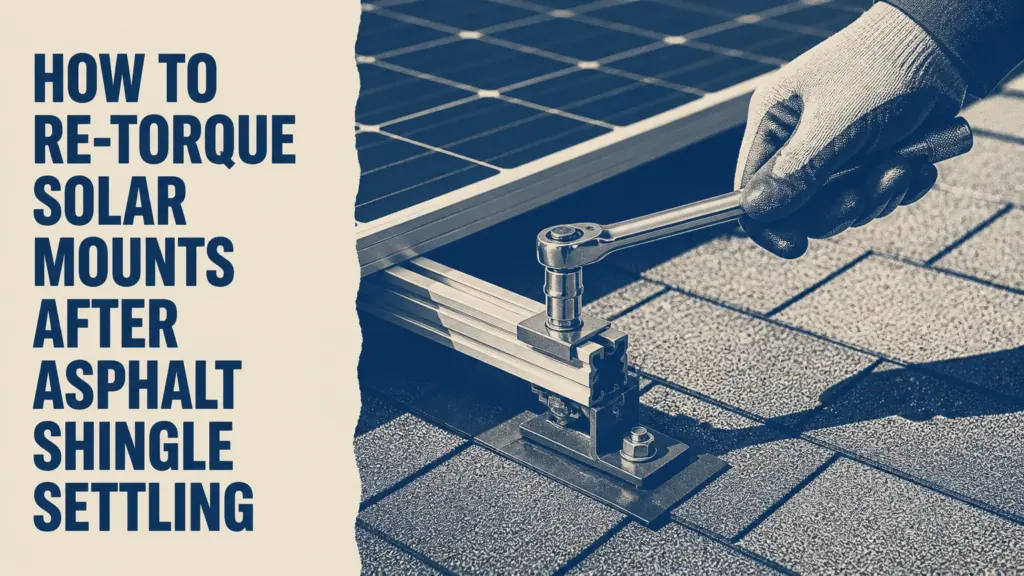
Solar mount re-torquing means inspecting each accessible racking connection, verifying the manufacturer’s specified torque, and correcting confirmed under-tightening without damaging the roof or array. Asphalt shingle settling can change joint compression, but visual evidence, fastener condition, installation documents, and the racking manual must determine whether retorquing is appropriate. Key Facts at a Glance A universal […]
Solar Inverter Lightning Damage: MOV Testing Guide
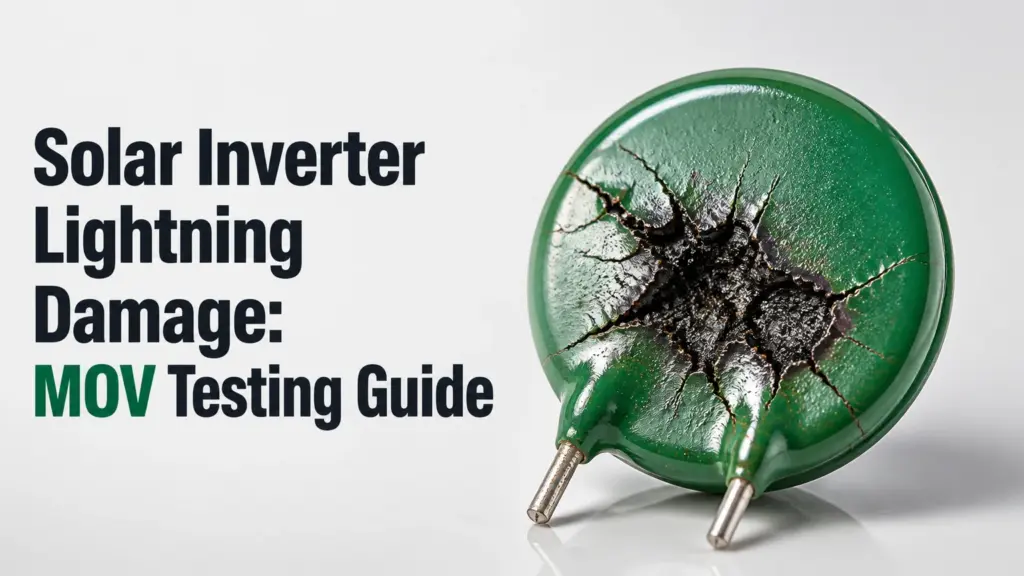
A metal oxide varistor, or MOV, is a sacrificial voltage-limiting component that diverts transient energy away from solar inverter electronics. After lightning or a severe switching surge, test the MOV only after complete isolation, beginning with visual inspection and an isolated high-resistance measurement; an open-circuit DMM result indicates no obvious short, but it cannot prove […]
Generac PWRcell SnapRS Recall: What Florida Owners Need to Know
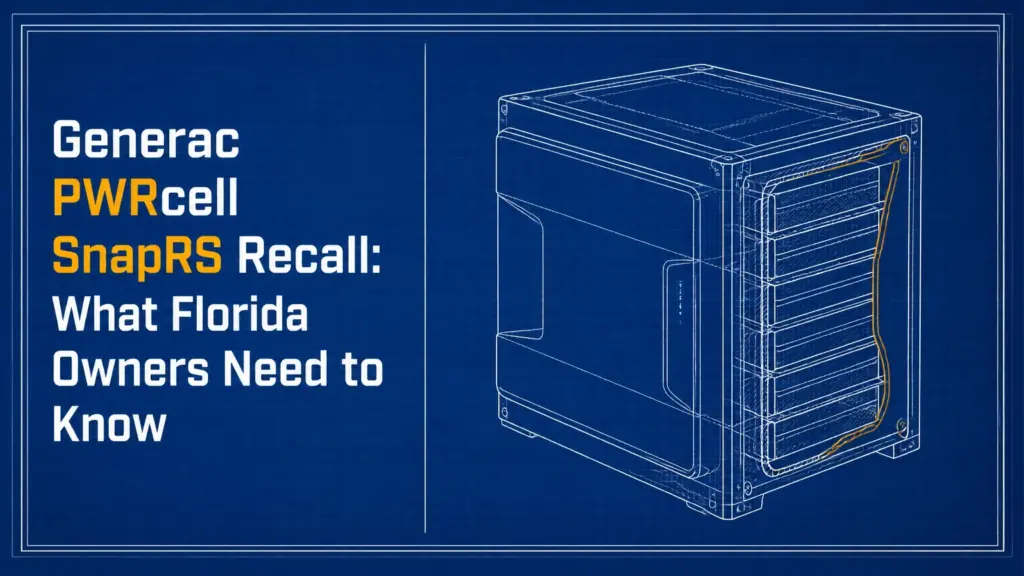
The Generac PWRcell SnapRS recall issue concerns reported failures of inline rapid-shutdown devices used in certain PWRcell solar arrays. Florida owners should treat melting, repeated PVRSS Lockout errors, sudden production loss, or missing panel readings as service and safety signals, then document the system and confirm current legal and warranty options through official channels. Key […]
Complete Guide to Residential Solar Panels in Miami: Costs, Codes, and Capitalizing on the Sunshine State

With an average of over 250 sunny days per year, Miami is one of the most geographically blessed locations in the United States for residential solar energy. Transitioning your home to solar power isn’t just an environmentally conscious choice—in South Florida’s high-heat environment, it is a highly strategic financial move. However, deploying solar panels in […]
Sol-Ark Inverter Fan Replacement for Noisy or Overheating Units
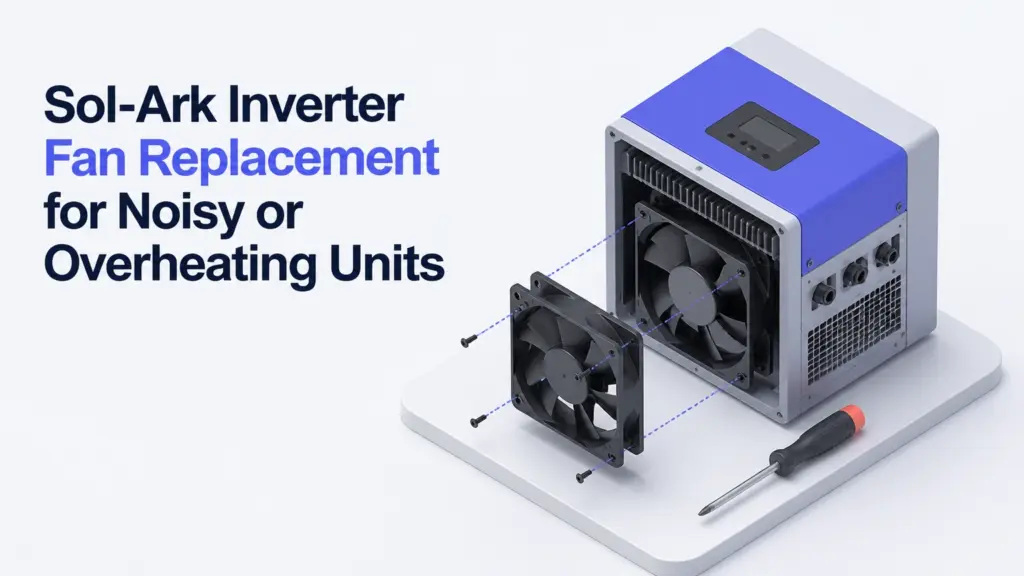
Sol-Ark inverter fan replacement usually involves removing an external fan assembly, not opening the main inverter chassis, on models such as the 8K, 12K, and 15K. The safe process takes about 30-60 minutes after shutdown, but the replacement fan must match the original assembly’s voltage, connector, dimensions, airflow, control signal, and environmental rating. Key Facts […]