Obtaining a solar permit in Miami-Dade County requires submitting a High-Velocity Hurricane Zone (HVHZ) compliant structural and electrical design through the GoldKey/iBuild portal. All solar components must hold a valid Notice of Acceptance (NOA) proving they can withstand 175–185 mph wind loads, and applications mandate certified engineering plans stamped by a Florida-licensed Professional Engineer (PE).
Key Facts / At a Glance
- Wind Load Standard: Must comply with ASCE 7-22 and the Florida Building Code (FBC) 8th Edition.
- Cost: $200–$500 in Unincorporated Miami-Dade; mostly waived in the City of Miami and Miami Beach.
- Processing Time: 1 to 4 weeks for initial review; permits remain valid for 180 days from issuance.
- Contractor Requirement: You must hire a Florida-licensed Solar (CVC) or Electrical (EC) Contractor; DIY owner-builder permits for solar are effectively prohibited.
- Component Rule: Every exterior piece of hardware (panels, racking, mounts) must carry an active Miami-Dade NOA.
What Changed in the 2026 Permit Code?
The 2026 updates introduced stricter enforcement for wind loads, unpermitted work, and electrical safety standards across all of South Florida.
Strict “Work Without Permit” Enforcement
Miami-Dade no longer allows homeowners to simply pay a fine for unpermitted solar installations. You must provide “as-built” certifications signed and sealed by a Florida PE. This requires invasive inspections to verify hidden roof attachments meet current code, which often means tearing up the existing array.
ASCE 7-22 Wind Load Mandate
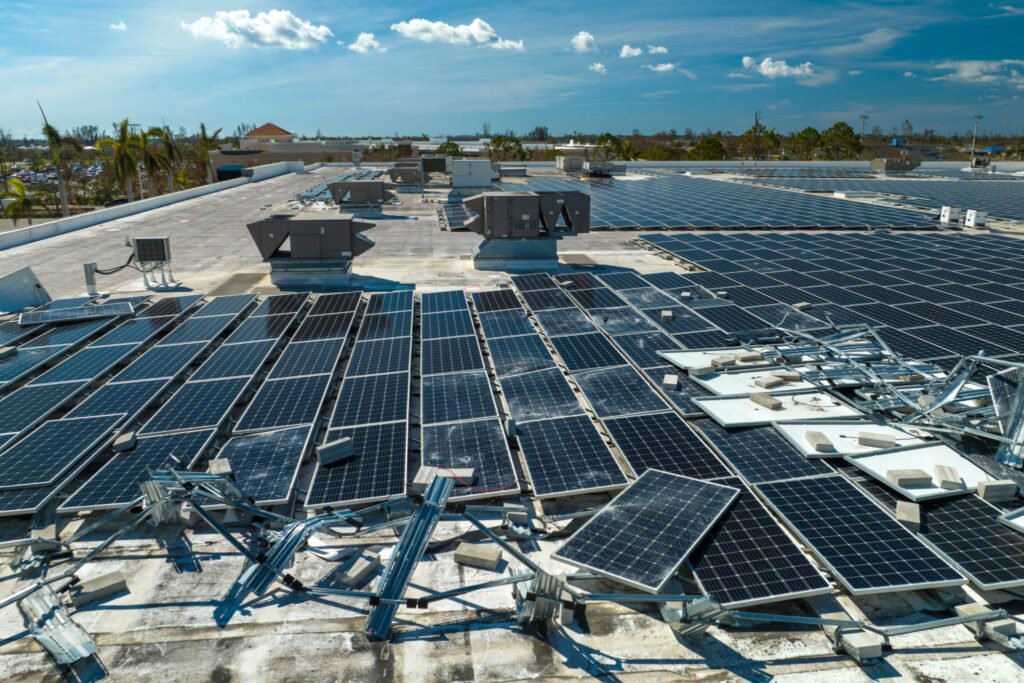
All structural calculations must now reference the ASCE 7-22 standard. If your permit application cites outdated standards like ASCE 7-10 or 7-16, the building department will auto-reject the submission. Coastal properties are further classified under Wind Exposure Category D, demanding even higher structural integrity.
NEC 2026 Section 690.4(G) Rounding Rules
For the electrical plan, NEC 2026 strictly standardized the rounding rules for photovoltaic system calculations. Designers can no longer round down Short Circuit Current (Isc) values to use smaller conductor sizing; you must use the highest Isc value printed on the module’s datasheet.
Are You Actually in Miami-Dade’s Jurisdiction?
Jurisdiction determines where you apply, how much you pay, and what codes apply. Never assume a Miami address means you apply to Miami-Dade County. Check your property’s Folio Number on the county GIS tool; if the number begins with “-01”, your property falls under the City of Miami.
| Jurisdiction | Authority | Key Solar Differences | Permit Fees |
| Unincorporated Miami-Dade | County (RER) | Governed by GoldKey portal. Uses “Category 01” (General) and “Category 34” (Solar) fee codes. | $250 – $500 based on value |
| City of Miami | City Building Dept. | Requires a stand-alone roofing permit for commercial projects, but not for residential. | $0 (Waived for sustainability) |
| Miami Beach | City Building Dept. | Strict aesthetic and zoning reviews. Uses its own portal. | Waived or heavily discounted |
| Other Municipalities | Local AHJ | Hialeah, Coral Gables, and Homestead operate completely separate building departments. | Varies locally |
Expert Insight: Submitting a City of Miami project to the Miami-Dade County portal is the most common reason for a lost $110 upfront application fee. Always verify your Folio number first.
What Documents Are in the Permit “Packet”?
A complete solar permit application—often called “The Packet” by local installers—requires five mandatory components. Missing a single item or uploading improperly named PDFs will trigger an automatic rejection.
Solar Permit Compliance Checklist
| Requirement | Type | Status |
|---|
1. Permit Applications (Yellow and Gold Forms)
The Master Building Permit Application (the “Yellow Form”) must be signed and notarized by both the property owner and the licensed contractor. The Electrical Fee Sheet (the “Gold Form”) itemizes the work using Category 01 for general wiring and Category 34 for specific photovoltaic components.
2. PE-Stamped Electronic Plans
All digital blueprints must be signed and sealed electronically by a Florida-licensed Professional Engineer. Out-of-state PE stamps are strictly rejected. Plans must include:
- Structural: Wind load calculations mapped to Zone 1, 2, and 3 roof pressures.
- Electrical: A one-line riser diagram showing wire sizing, overcurrent protection, and rapid shutdown compliance.
- Roof Plan: Module layout displaying 3-foot fire setbacks from ridges and edges.
3. Miami-Dade Notice of Acceptance (NOA)
You must upload the official NOA document for every exterior component. This legal document proves the exact part has been tested against 175+ mph winds. Using a product with an expired NOA guarantees immediate rejection.
4. Owner’s Solar Disclosure
A required county form acknowledging the homeowner understands grid-tie limitations, specifically that standard grid-tied systems shut down during FPL power outages unless paired with a battery backup.
How Do I Submit a Solar Permit in Miami-Dade?
The submission process dictates project momentum. Minor clerical errors during upload can add weeks to your timeline.
1.Phase 1: Preparation & Engineering:Timeline: 1–2 Weeks.
The contractor surveys the site to map roof azimuth, rafter spacing, and shading. A Florida-licensed PE drafts the plan set, runs ASCE 7-22 wind load calculations specific to your address’s Risk Category, and compiles the active NOA PDFs for all hardware.
2.Phase 2: GoldKey Submission & Review:Timeline: 2–4 Weeks.
Upload all properly named files (e.g., A01-Site-Plan.pdf) to the GoldKey/iBuild portal. The system routes the plans concurrently to the Building, Electrical, Zoning, and Fire departments. If a reviewer flags an issue (e.g., “Clarify Zone 3 attachment”), the engineer must correct and resubmit within the portal.
3.Phase 3: Permit Issuance & Job Copy:Do not start work yet.
Once all departments approve, the contractor pays the remaining permit fee online. You must then print the “Job Copy” (the digitally watermarked set of approved plans). This specific physical copy must be kept on-site in a dry location for all subsequent inspections.
4.Phase 4: Installation & Inspections:Timeline: 2–3 Weeks.
After installation, the system must pass municipal inspections. This typically involves a Roofing/Structural inspection (to verify lag bolt penetration and waterproofing) and a Final Electrical inspection (to verify safe wiring and labeling).
5.Phase 5: Utility Interconnection (PTO):
Once the permit closes, Florida Power & Light (FPL) installs a bi-directional net meter and issues Permission to Operate (PTO). You may officially turn on the system.
Rooftop vs. Ground-Mounted: Which is Harder to Permit?
Mounting location drastically alters the permitting requirements in Miami-Dade County due to land use, zoning, and flooding concerns.
Rooftop Solar (Most Common)
Rooftop arrays are standard and straightforward to permit, provided the engineer correctly calculates the wind uplift forces. Miami-Dade effectively prohibits ballasted (weighted) systems for residential roofs due to hurricane winds; installers must mechanically attach the array into the structural rafters.
Ground-Mounted Solar
Ground-mounted systems are significantly harder and more expensive to permit. Beyond the standard electrical permit, ground mounts require extensive civil engineering, a dedicated foundation permit for the production piles, and strict zoning setback compliance (they cannot sit in front yards). If the water table is high, you may also need a Class V Dewatering permit from DERM (Department of Environmental Resources Management).
Solar Shingles (Tesla Solar Roof)
Solar tiles are treated by the county as a full roofing permit rather than a standard electrical accessory permit. This triggers mandatory roof deck inspections and secondary water barrier verifications, adding time and complexity.
Why Do Solar Permits Get Rejected?
Even experienced contractors face plan review rejections. Understanding the common failure modes prevents 30-day delays.
- Missing Zone 3 Details: The corners and edges of a roof (Zone 3) experience the most extreme wind uplift during a hurricane. Plans that fail to show tighter bolt spacing in these specific areas will be rejected.
- Expired or Mismatched NOAs: Using a racking system whose Miami-Dade NOA expired last month, or submitting an NOA for a different rail version, fails plan review instantly. Always pull fresh NOAs from the county product approval database.
- Rapid Shutdown Labeling: Miami-Dade fire plan checkers heavily scrutinize NEC 690.12 rapid shutdown compliance. If the initiation device is not clearly labeled and located at the utility-side service entrance for first responders, the electrical review will fail.
- Improper File Naming Conventions: The automated portal rejects files like
SolarPlan_Final_v2.pdf. Contractors must use the exact standardized naming syntax outlined in the county’s electronic submission guidelines.
Expert Insight: If your commercial or complex residential project stalls in review, use the portal to schedule a virtual meeting directly with the trade plan examiner. Discussing the “Remarks” over a 10-minute video call often clears up confusion faster than submitting blind revisions. Furthermore, utilizing the county’s “Green Building Expedited Review” program by flagging the application as renewable energy can shave days off the initial routing.
Frequently Asked Questions
How long are building permits valid in Miami-Dade?
Building permits in Miami are valid for 180 days from the date of issuance. If installation and required inspections are not completed within this timeframe, the permit expires. You can request extensions, but they require Building Department approval.
Do I need a structural engineer for Miami solar?
Yes. A Florida-licensed Professional Engineer (PE) must sign and seal the structural plans to prove the design meets the ASCE 7-22 wind load requirements for the High-Velocity Hurricane Zone.
Can I withhold payment from my contractor until the permit closes?
Homeowners should tie their final payment installment to the successful completion of the Final Building Inspection. An open or expired permit will attach to the property title and prevent you from selling the home in the future.
What happens if I fail the roofing inspection?
If the inspector finds improper lag bolt penetration or insufficient waterproofing, they will issue a correction notice. The contractor must fix the specific issue, pay a re-inspection fee (typically $100–$150), and schedule a follow-up visit.